| SolveLetter #1
March 2025 |  | |
| | The case studies might contain a solution that applies to the challenge you are wrestling with right now | |
| Dear Colleagues, I'm Yakov Pakhomov, Medical Director at Medical Advisers Group. After 10 years in business, we've finally decided to get done what we've been meaning to tackle for ages. You know how it goes: you complete an excellent project, note down insights and client feedback, set it aside—and it remains in drafts as new tasks and routines take over. This time, we said, "Stop! Let's allocate time, structure all our accumulated experience, and share it." After all, what has already worked and yielded results can be repeated, improved, and further developed. I plan to share our insights about once a month. If this is useful for you—great! If not—no problem, just unsubscribe here 🙂 | |
| | How to Increase Expert (KOL) Engagement in Congresses, Conferences, and Seminars? | |
| | 1.Brief and Targeted Formats | |
|  | | Lightning Talks + Q&A | - 7–15 minutes for a concise, focused presentation followed by interactive discussion.
- We assist speakers in advance to prepare presentations in this format, maintaining attention and avoiding monotony by engaging in dialogue with the audience rather than lecturing.
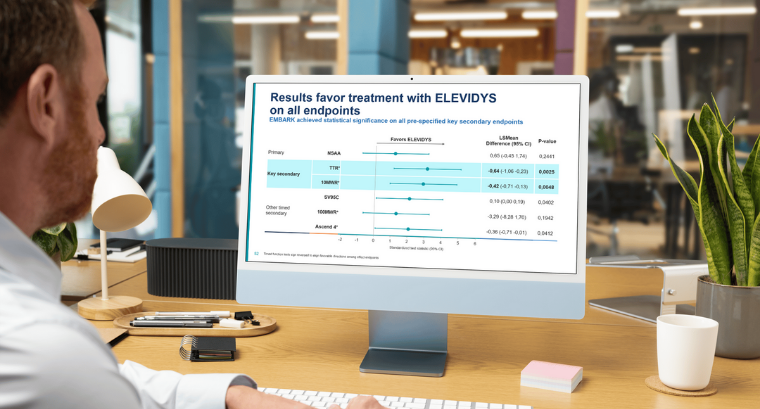
| |  | | Deep Dive Workshops | - Two or three small groups of 5 –10 people each that thoughtfully examine several specific issues over 1–2 hours.
- Ideal for competitive analysis, patient profile assessment, experience sharing, treatment protocol development, and complex problem-solving.
| |  | | TED-Style Talks | - One key message, vivid examples, and visual support.
- Just 5–10 minutes, but the structure and dynamics allow for retaining the essence. We help prepare TED-style presentations for speakers.
| | |
| | 2. Storytelling and Visual Techniques | |
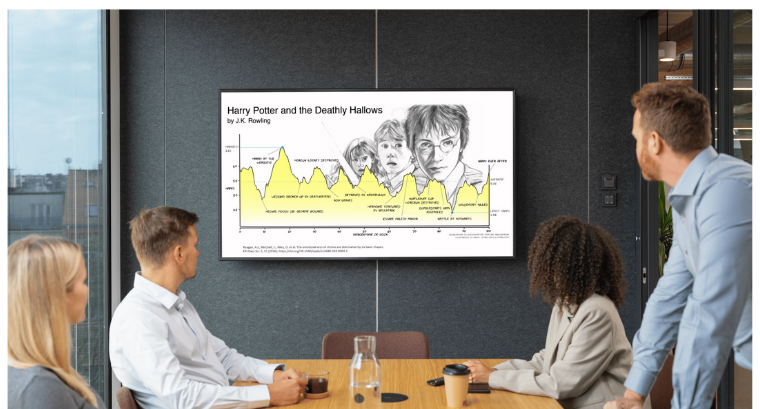
| - Tell stories: scientific cases, real patient examples, interesting clinical situations. There are simple techniques to make dry scientific cases more engaging.
- Use visual aids: infographics, diagrams, schemas, metaphors. Complex terms become more accessible, and the audience better retains information. Over many years, we've learned to package complex scientific data into short messages and tweets. View examples here.
- We've even created a special medical storytelling training to help speakers enliven their presentations. View it here.
| |
| | 3. Interactive and Immersive Tools | |
| Voting Systems and Quizzes- Online polls, quizzes, and real-time feedback collection.
- We've developed a unique quiz format, learn more here.
- Gamification (ratings, points, non-material incentives) helps maintain participants' enthusiasm and activity.
Reversed Q&A and Discussions• Reverse Q&A: Instead of waiting for questions, the speaker asks them to the audience or invited experts. • Fishbowl discussions: A few people debate in the center, and anyone can join, replacing speakers in the process. Medical Hackathons• Teams solve real cases and quickly present results in pitches. • Excellent for stimulating creativity and searching for new ideas. Immersive Technologies (VR/AR)• Virtual or augmented reality for demonstrating clinical processes, products, or treatments. • For instance, we've invited actors to create more realistic simulations. This greatly enhances the "wow effect." | |
| | 4. Targeted and Smart Networking | |
| | • Algorithmic matching: Special AI platforms recommend suitable interlocutors based on interests and experience.
• Speed Meetings: Short meetings on specific topics instead of formal social cocktails. Significantly increases chances of finding the right person. Like Tinder, we can match audience and speaker.
Ideal for large events.
| |
| | 5. Expanding Communication Beyond the Event | |
| We offer, for example, short posts or Telegram newsletters after events, so the audience can stay informed of all key points and new research. - Slide distribution
- Topic-related news
- Information updates
Such channels help build a permanent professional community rather than a "one-time" contact. | |
| I'm deeply grateful for all these years of fruitful collaboration and delighted to continue supporting you! Best regards, Yakov PakhomovMD, PhD | Medical Director Medical Advisers Group yakov@mdwrt.com | WhatsApp | LinkedIn | |
| | Bonus: And finally, I recommend a few movies on the topic of engagement and attention retention 😊 | |
| 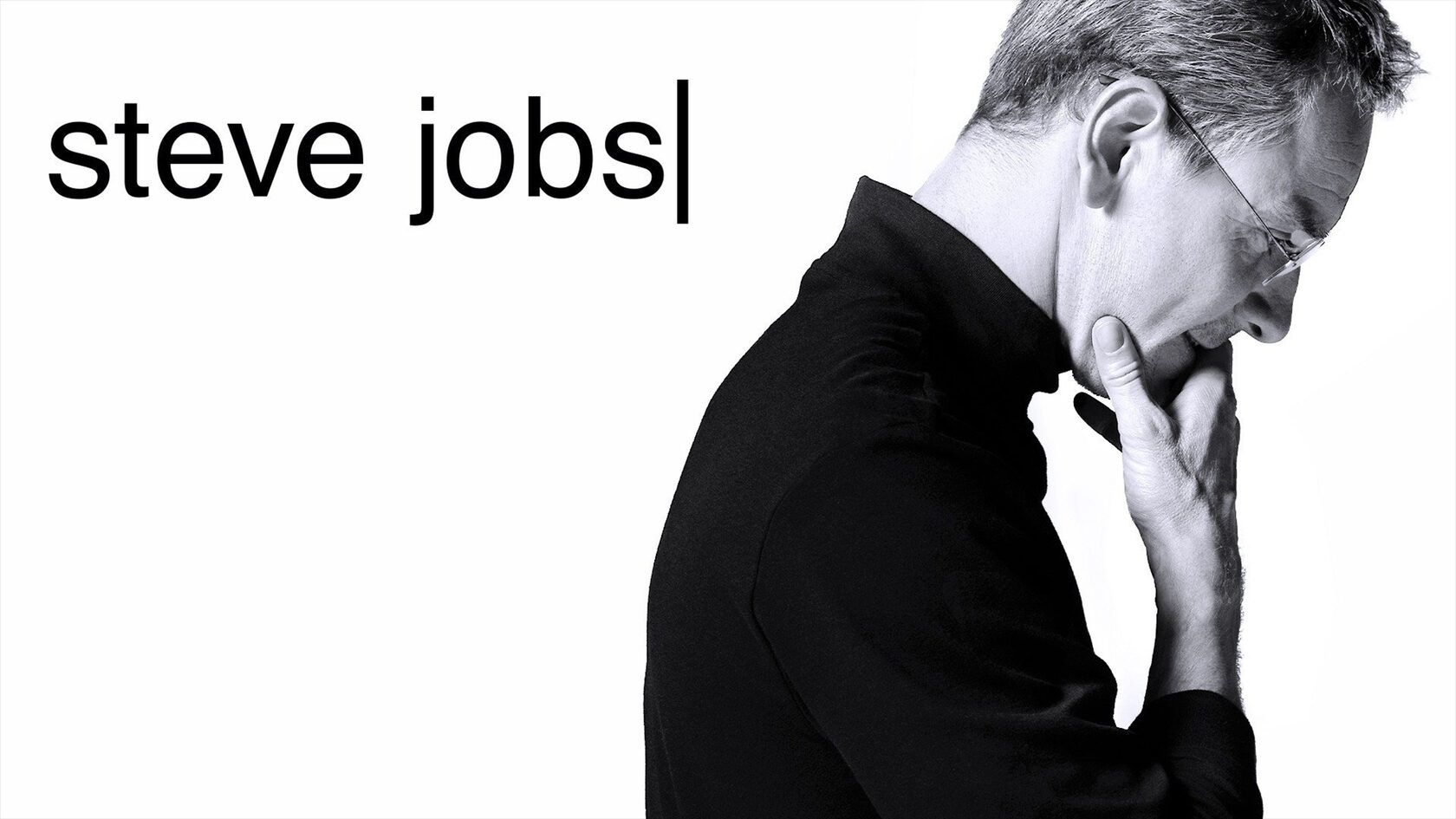 | | Steve Jobs, 2015 | | Danny Boyle's film takes viewers behind the scenes of the legendary presentations that shaped Apple’s history: Macintosh (1984), NeXTCube (1988), and iMac (1998). | | 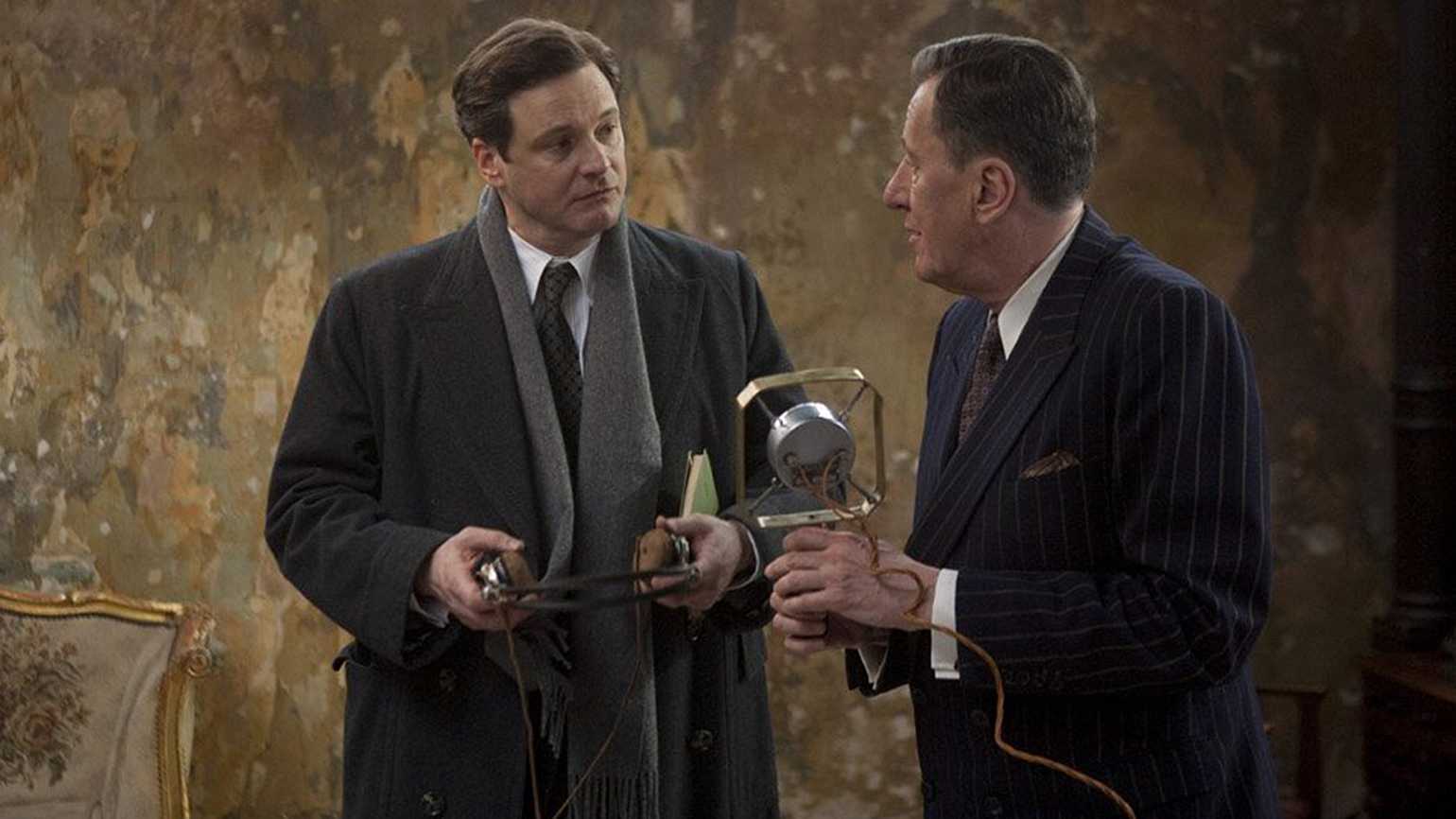 | | The King’s Speech, 2010 | | King George VI learns to speak properly to inspire people.
His teacher uses unconventional teaching methods, engaging the student in the process and helping him gradually overcome his speech impediment.
In the finale, the king delivers a speech in a compelling and clear way, and his audience listens to him with rapt attention. | |  | | The Trial of the Chicago 7, 2020 | | A real historical trial where the defendants turn the court into a political theater to attract public attention.
The characters understand that their main goal is not to win the trial, but to highlight injustice and inspire societal change. | | |
| | | Unsubscribe from this newsletter at any time here | |  | |
| |