| SolveLetter #2
April 2025 |  | |
| | The case studies might contain a solution that applies to the challenge you are wrestling with right now | |
| Hello, I'm Yakov Pakhomov, Medical Director at Medical Advisor's Group. Today, I’d like to share some observations and takeaways from our work on Real-World Evidence (RWE) and Real-World Data (RWD) projects. With evidence generation becoming a key performance indicator for many medical affairs teams, interest in these approaches is growing rapidly. Based on our experience across a dozen projects with different clients, we’ve gathered a few insights that might be useful to you as well. I share our insights about once a month. If this is useful for you—great! If not—no problem, just unsubscribe here 🙂 | |
| | Why do RWE and RWD projects face challenges, and how can we avoid them? | |
| | 1.“Let’s collect all the data and see what comes out of it” | |
| A vague research question can quickly lead to a loss of focus — and a project that becomes difficult to manage. Collecting all available data means higher costs, extended timelines, and more room for error. Our solution: Lean RWEA framework where we begin with a minimum viable product (MVP) — a basic version of the database tailored to the core research questions — and expand it gradually if needed. That’s why it’s crucial to:- Clearly define the questions we want to answer from the outset.
- Avoid collecting data that won’t help answer those questions.
This doesn’t rule out new ideas or hypotheses emerging during analysis — but initial clarity helps keep the project on track. Example:In one of our projects, we worked with a real-world database of patients with diabetes to complement the findings of randomized clinical trials (RCTs). The goal was to explore aspects not typically captured in RCTs — such as rare clinical events, long-term outcomes, and region-specific characteristics. As we worked on the project, we realized we could also answer very practical questions — for example, how many additional years of life the therapy may provide to patients in real-world settings. This idea didn’t emerge at the beginning but developed as the MVP was expanded. | |
| | 2. "We Don’t Have Enough Data — The Project Won’t Fly" | |
| | Sometimes, RWD is viewed exclusively through the lens of big data. But for many research questions, big ≠ better. The key lies in selecting the method that best fits the specific objective.
Example: When searching for patients with rare diseases, there may be only a few dozen diagnosed cases in a region. In such situations, quantitative methods like correlations and regressions may be less applicable, but qualitative approaches—such as in-depth interviews and detailed case studies—can be highly effective. | |
| Case Study: Patient Journey AnalysisChallenge:A client was facing serious difficulties identifying patients eligible for their orphan drug due to underdeveloped diagnostic infrastructure in the country. They needed a strategy to find undiagnosed cases. Approach:- Together with physicians experienced in treating such patients, we analyzed each clinical history in detail — including initial symptoms, diagnostic tests ordered, and the types of specialists involved in the patient's care. Where this information was insufficient, we conducted interviews with patients’ family members.
- Defined the group of physicians most commonly approached first by these patients.
- Identified specialists, most likely to make the initial diagnosis.
- Located databases where undiagnosed cases were likely to be “hiding.”
- Developed a patient identification algorithm based on key diagnostic milestones and the list of specialists patients typically consult during their diagnostic journey.
- Held an expert panel with specialists to review the findings and discuss where such patients might be identified.
- Created a protocol for collaboration with clinics to support early identification of patients prior to a confirmed diagnosis.
Outcome: The client implemented a patient search system based on the developed methodology, significantly improving the patient identification process. | |
| | 3. Dirty data — pure headache | |
| This issue is as old as Excel 2007: incomplete fields, missing values, discrepancies, duplicates—everything seems to be there, but “it’s impossible to work with.” Solution:- Conduct a data quality check and review of database structure before project initiation.
- Allocate time and budget for data validation and cleaning - manual checks, duplicate correction, and identifier verification.
Example: While working with a diabetes registry, we encountered numerous gaps and inconsistencies: mismatched patient identifiers, missing dates. We had to refer back to archived medical records, cross-verify names, manually fill in missing values, and only then proceed with analysis. It took more time but yielded significant benefits. | |
| | 4. Match Methods to Objectives—Not Vice Versa | |
| RWD isn’t a magic bullet - methods for collecting and analyzing RWD should align with goals and context. For quickly assessing market response to a new drug, one approach is suitable; for in-depth clinical outcome research, another. Example: Post-Launch StudyObjective: Understand how physicians and patients perceive a new drug; determine why patients discontinue therapy; explore challenges they face during treatment (issues often not revealed in RCTs). Approach:- Engaged Medical Science Liaisons (MSLs).
- Created a simple tablet-based questionnaire for MSLs to anonymously record information on each patient starting therapy.
- Over a year, collected data on more than 100 patients, identifying real-world barriers and effects not captured in traditional clinical studies.
Why It's Valuable: Such field data provide a real-world understanding of what truly happens with prescriptions, treatment adherence, and physician opinions. Based on these findings, we published articles and, more importantly, provided the client with practical tools to enhance interactions with patients and physicians. Additionally, MSLs had an engaging task for a whole year. | |
| | In each case described, we published scientific findings, and the data brought tangible benefits to practice.
I firmly believe that behind the numbers are individual patient stories—and when working with RWD, it’s essential to think about how this data can improve their lives.
| |
| I truly appreciate our years of engaging collaboration and am always happy to assist moving forward. Best regards, Yakov PakhomovMD, PhD | Medical Director Medical Advisor's Group yakov@mdwrt.com | WhatsApp | LinkedIn | |
| | Bonus: A Few Films That Inspire
Because RWD isn’t just about datasets and models — it’s also about real people and their stories. 😊 | |
| 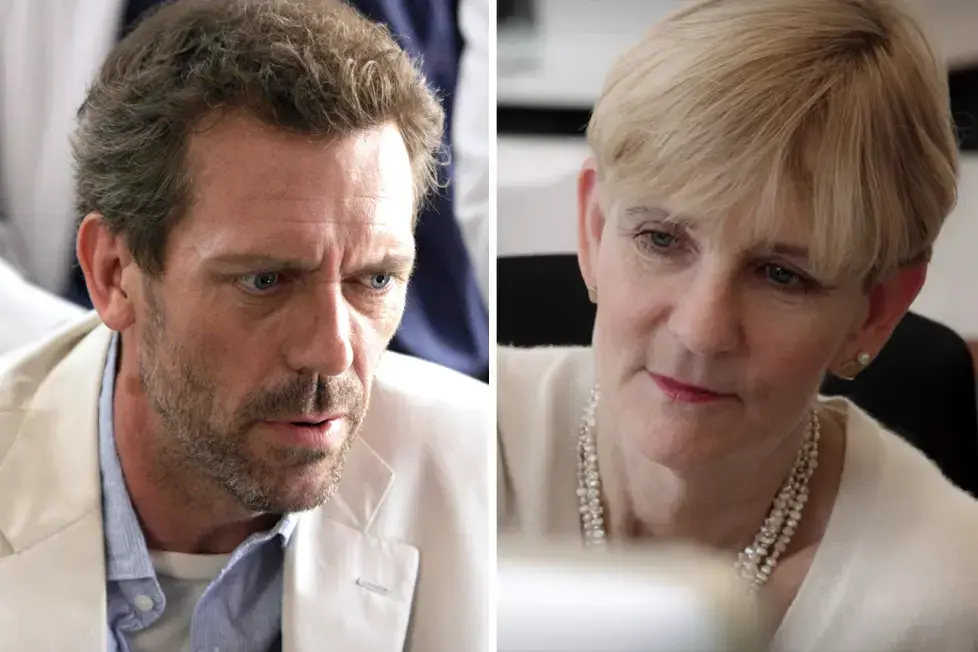 | | 🎥 Diagnosis (Netflix, 2019) | | A documentary series based on Dr. Lisa Sanders' column (yes, the inspiration behind "House, M.D."). Patients with rare symptoms, and global crowdsourcing helps diagnose them.
💡 Real RWD in action. Real cases. Real doctors. Real hypotheses | |  | | 🎥 Julie & Julia (2009) | | Cooking is also a science. I love cooking and eating!
An old film starring Meryl Streep about how recipe instructions differ from real-world kitchen practice.
🍳 Instructions are one thing; reality is another—sounds familiar? | | |
| | | Unsubscribe from this newsletter at any time here | |  | |
| |